

A therapist spends four months building a 12-page website. New logo, custom photography, a blog she plans to update every week. Six months after launch, she’s had two inquiries, and both people live outside her service area.
Her site wasn’t underbuilt. It was misbuilt. Most advice tells you to add more: more pages, more content, more polish. This therapist website design guide takes the opposite approach: the sites that actually book clients usually do less, but every piece of it does a job.
Key takeaways:
- A therapist website needs five to seven pages built with intent, not fifteen pages built for the sake of looking thorough.
- Custom builds run $997 to $5,000 or more, template builds start around $497, and the right choice depends on how much selling the site needs to do on its own.
- People now ask ChatGPT and Google’s AI Overviews for therapist recommendations directly, which means a site’s structure now affects whether AI tools mention a practice at all, not just whether Google ranks it.
- HIPAA compliance for a website comes down to how intake forms handle data, not the design itself.
- A well-built site can generate real inquiries before any SEO work even begins, when the pages answer what a visitor already came looking for.
Table of Contents
What Makes a Therapist Website Actually Work?
A good therapist website works when it turns the right visitor into a booked client, not when it wins a design award. What branding itself actually costs is worth knowing before the design conversation even starts. That means specialty pages instead of one vague services page, a contact path that takes seconds to find, and content written to answer the exact question a visitor already has before they ever send an email.
One solo LMFT with a dual-state license, no SEO presence, and a site that led with her outdated rate worked with Clarity Design Co on a full rebuild. The rebuild covered 11 pages and a full brand identity, and the copy came straight from her own intake language rather than generic therapist-website phrasing.
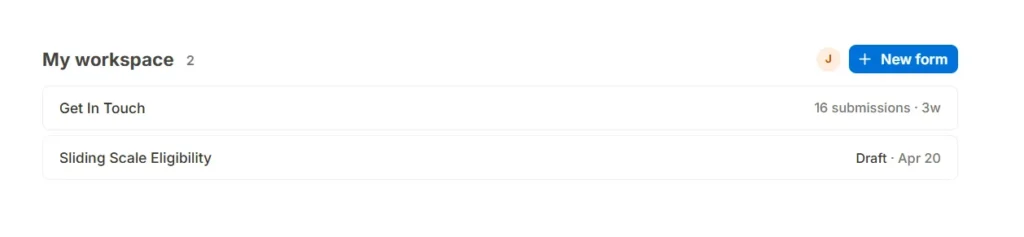
She got 16 inquiries through the contact form before any SEO work started. The design and the words on the page did that on their own.
What a Therapist Website Design Guide Gets Wrong About AI Search
There’s a second shift worth naming here. People now ask ChatGPT, Perplexity, and Google’s AI Overviews to recommend a therapist directly, the same way they’d ask a friend, a shift that’s already showing up in rising AI referral traffic data.
A site built around one generic “services” page with vague language gives an AI tool nothing specific to pull from. A site with a clear page on EMDR for trauma, or a clear page on couples counseling for new parents, gives it something to actually cite.
This is the piece almost every other therapist website design guide skips, and it’s becoming the difference between a site that gets recommended and one that doesn’t.
The contact path matters just as much as the pages themselves. A visitor deciding whether to reach out is often doing it in a difficult moment, and every extra click between “I’m ready” and “I did it” is a chance for them to close the tab instead. A phone number and a booking link visible without scrolling, on both desktop and mobile, does more for conversions than another paragraph of credentials ever will.
What Pages Does a Therapist Website Need?

A therapist site needs a home page, an about page, individual specialty pages, an FAQ page, and a contact or booking page. That’s it. Five page types, sometimes split into more if a practice covers several distinct specialties.
The specialty pages matter more than most therapists expect. A single “Services” page listing five modalities in one paragraph each reads generically to both a human visitor and a search engine. A dedicated page for “Couples Counseling for New Parents” or “EMDR for Trauma” can speak directly to that person’s situation, use their language, and answer the specific questions they’re already asking. It also gives Google and increasingly AI search tools one clean topic to index instead of five topics competing on the same page.
A group practice needs one more layer: individual bio pages for each therapist. A directory page that just lists names and credentials doesn’t help a visitor pick anyone. A real bio, written in that therapist’s own voice, does the work a five-minute phone screen used to do.
The home page’s only job is orientation, not persuasion. It should tell a visitor within seconds who the practice serves and where to go next, then get out of the way.
The FAQ page carries more weight than it gets credit for too.
It’s where a visitor’s practical worries, insurance, session length, and what a first appointment looks like get answered without them having to ask, which removes one more reason to hesitate before reaching out.
Should You Build the Site Yourself or Hire a Designer?
Build it yourself if the practice is simple, the budget is tight, and there’s real time to learn a platform like Squarespace or Wix.
Hire a designer if the site needs multiple specialty pages, a brand identity, and copy that actually converts, since those three things take most solo therapists months to get right on their own, if they get there at all.
The deciding factor isn’t skill. It’s what the site needs to do.
A therapist who gets most clients through referrals and insurance panels can get away with a lean DIY site that just confirms she’s real and licensed. A therapist building a private-pay practice from cold search traffic needs a site doing actual selling, and that’s a different, harder job.
How Much Does Therapist Website Design Cost?
At Clarity Design Co., template builds start around $497. A custom low-tier build runs $997 and typically includes 5 pages, copywriting, SEO setup, 6 months of domain and hosting, 2 months of free maintenance, 3 blog posts, and a free logo. See the full 2026 cost breakdown for every tier, line by line.
A custom high-tier build starts at $3,500 and adds 15 or more pages, full SEO setup, ad setup, 10 blog posts, and directory and Google Business Profile audit plus optimization.
Extra pages beyond what’s included run about $0.17 per word for the copy alone. Most projects land somewhere between the low and high tier once a practice figures out how many specialty pages it actually needs.
Contact Clarity Design Co to get a real number for your specific practice.
Which Website Platform Should You Use?
WordPress gives the most control and the strongest long-term SEO, Squarespace gives the cleanest design out of the box, Wix gives the easiest learning curve for a first build, and Showit gives the most creative freedom for a therapist who wants a highly custom look without touching code.
None of these is universally correct.
This therapist website design guide can only point you toward tradeoffs: the right website platform for your practice depends on whether you value control, speed, ease, or aesthetics most.
Does a Therapist Website Need to Be HIPAA Compliant?

A therapist website itself doesn’t get “HIPAA certified,” since no such certification exists for websites. Any honest therapist website design guide will tell you the same thing: what matters is how the site handles protected health information, which usually comes down to one thing: whether the contact or intake form encrypts and secures whatever a visitor submits.
A basic contact form asking for a name, email, and phone number typically doesn’t trigger HIPAA requirements, since it isn’t collecting health information. An intake form asking about symptoms, diagnosis, or treatment history is a different story, and that form needs a HIPAA-conscious tool with encrypted transmission and secure storage.
Platforms like SimplePractice and Jotform‘s HIPAA-compliant form option both handle this properly. Most therapists never need more than a standard contact form on the website itself, with the real intake happening through a separate, properly secured therapist’s EHR system.
How Long Does It Take to Build a Therapist Website?
A therapist website typically takes two weeks to two months from start to launch. The range depends almost entirely on how quickly the therapist provides content and feedback, not on the complexity of the design itself. A therapist who sends over bios, credentials, and specialty descriptions in the first week moves through the process fast.
A therapist who takes three weeks to answer a single content question adds that same three weeks to the timeline, regardless of who’s building the site.
Photography is the other common bottleneck. A practice waiting on a headshot session or new interior photos of the office often loses more time here than anywhere else in the building. Scheduling that shoot before the project even starts, rather than after the design is already underway, is the single easiest way to keep a launch on track.
Where to Start With This Therapist Website Design Guide
A good therapist website design guide doesn’t tell you to build the site with the most pages. It points you toward the site where every page has a job, the contact form actually gets used, and an AI tool has something specific enough to recommend when someone asks it for a therapist who does exactly what this practice does.
If the current site is more guesswork than strategy, a website audit is the fastest way to see exactly which pages are pulling their weight and which ones are just sitting there.
You can check Clarity’s website audit if you have a practice website but don’t know where it’s lacking, or start a new build with Clarity if you’re beginning from scratch. For the smaller, tactical fixes, the CTA, the bio copy, the quick wins, our therapist website design tips post covers those in more detail.
A few more questions come up in almost every therapist website design guide conversation:
Does a therapist website need an SSL certificate?
Yes. An SSL certificate encrypts the connection between a visitor’s browser and the site, and Google treats sites without one as less secure, which can hurt rankings. Most modern hosting platforms, including Squarespace, Wix, and WordPress hosts, include SSL by default at no extra cost.
Should every therapist at a group practice get an individual bio page?
Yes, for any group with more than two or three clinicians. A shared directory page tells a visitor almost nothing about who each person actually is. Individual bio pages, written in each therapist’s own voice, let a visitor self-select before ever picking up the phone.
Can you switch website platforms later without losing your Google rankings?
Rankings can survive a platform switch, but only with careful redirect setup. Every existing URL needs a matching redirect to its new address, or the site loses the ranking history tied to those old links. This is one of the most common ways practices accidentally lose years of SEO progress during a redesign.
Does a therapist website need to be mobile-friendly to rank well?
Yes. Google ranks the mobile version of a site as the primary version for most searches, a system called mobile-first indexing. A site that looks great on a laptop but breaks on a phone will underperform in search results regardless of how strong the desktop design is.
How often should a therapist website be redesigned?
Most therapist websites hold up well for two to three years before a full redesign makes sense, though content like bios, specialties, and blog posts should get updated far more often than that. A full redesign matters more when the practice itself has changed, has new specialties, has a new location, or has a rebrand than on a fixed schedule.